by CPI Staff | Nov 26, 2025 | Azure AI Services, Blog
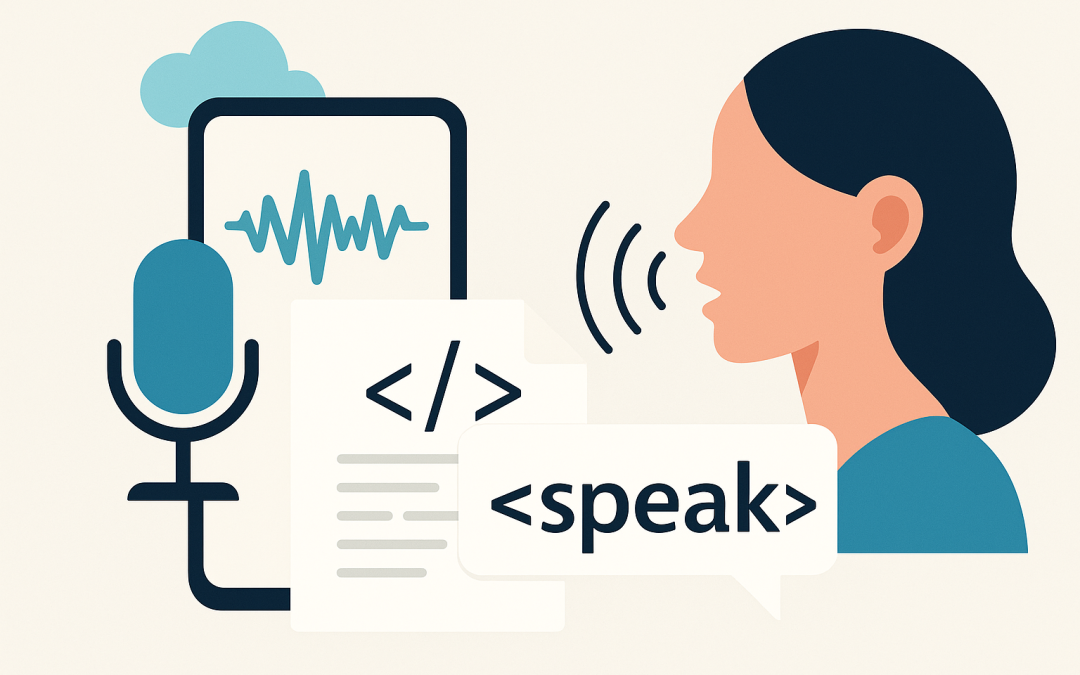
In this blog post Customise Voice Synthesis With Azure Speech And SSML we will walk through how to shape exactly how your applications sound using Microsoft Azure Speech and SSML. Whether you are building an IVR, virtual assistant, e-learning product, or accessibility...
by CPI Staff | Nov 26, 2025 | Blog, GitHub
In this blog post Accelerate VS Code Development with MCP Servers we will look at how to plug Model Context Protocol (MCP) servers into VS Code so you can ship features faster and with fewer mistakes. Before we touch settings and code, we’ll start with a high-level...
by CPI Staff | Nov 26, 2025 | Azure AI Services, Blog
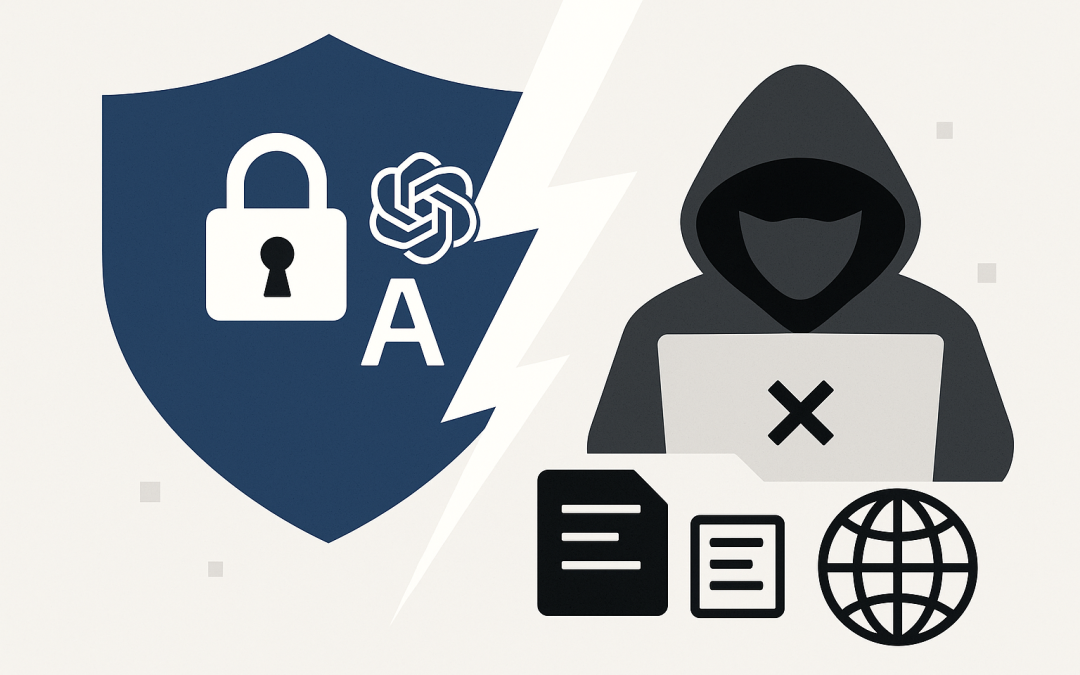
In this blog post Block Prompt Attacks with Azure AI Services in Real-World Apps we will walk through how to protect your AI applications from prompt attacks using Azure OpenAI and related Azure services. Prompt attacks are the social engineering of the AI world....
by CPI Staff | Nov 19, 2025 | Azure, Azure AI Services, Blog
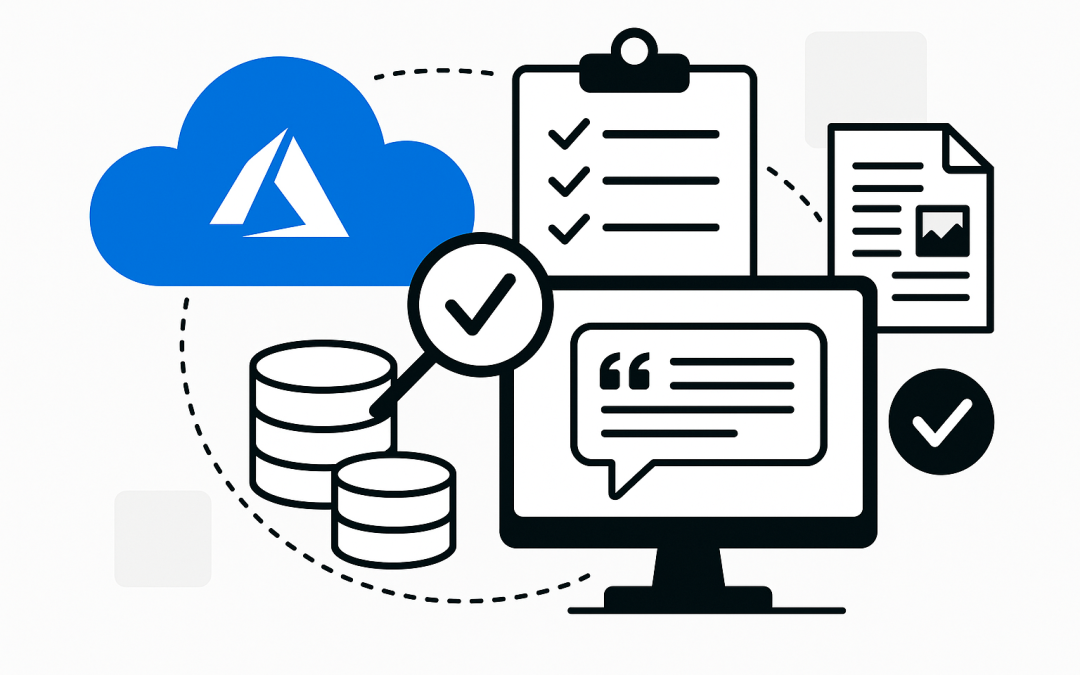
In this blog post Boost Accuracy with Azure AI Groundedness for Cloud Apps we will explore how to make your Azure AI solutions more accurate, verifiable, and production-ready by grounding them in your data and systems. Generative AI is powerful, but it has a habit of...
by CPI Staff | Nov 16, 2025 | Azure AI Services, Blog
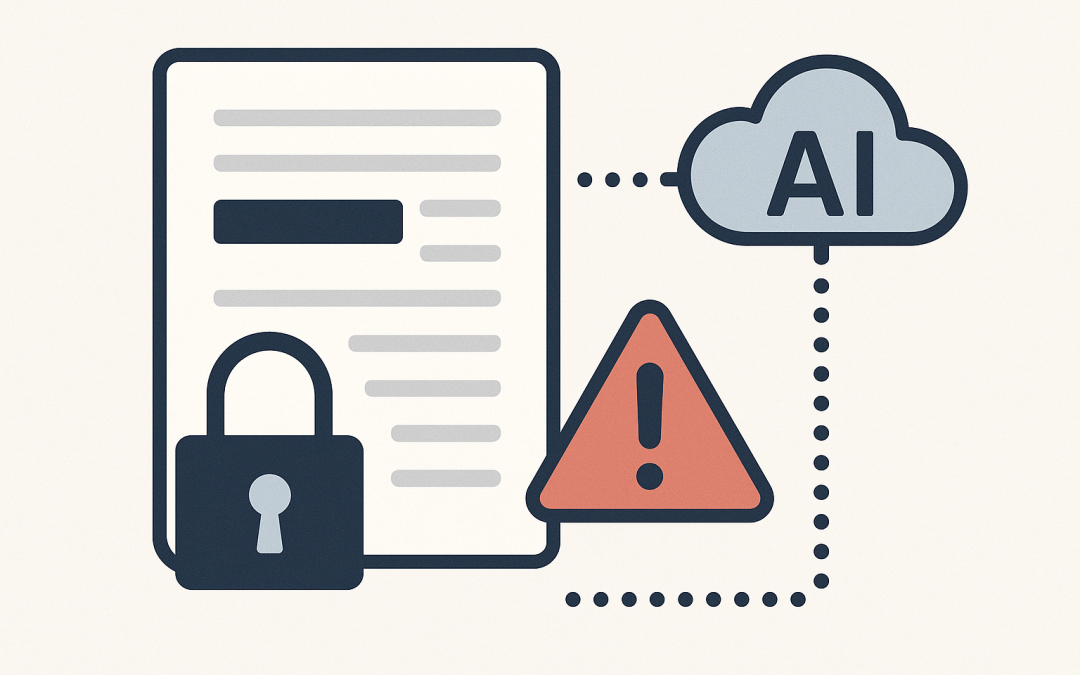
In this blog post Flag Protected Text with Azure AI Content Safety we will walk through how you can automatically detect and flag sensitive or protected text using Microsoft Azure’s content safety services. Table of contentsWhat is Azure AI Content SafetyWhy flagging...
by CPI Staff | Nov 10, 2025 | Azure AI Services, Blog
In this blog post Security Best Practices for Azure AI Services in Practice we will walk through a practical blueprint to protect your Azure AI workloads without slowing delivery. Azure AI Services power modern applications: chat assistants, document intelligence,...