by CPI Staff | Aug 4, 2026 | AI Agents, AI for Business & AI Strategy, Blog
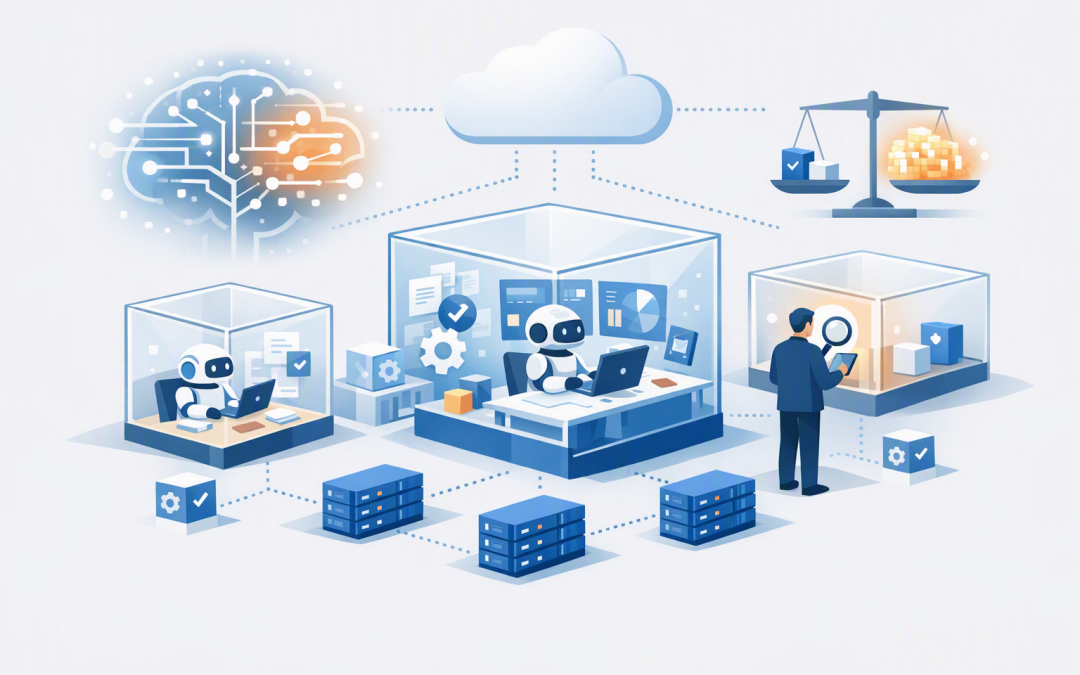
In this blog post How Microsoft Orchard Makes Powerful AI Agents More Affordable we will explain how Microsoft’s new research framework could help businesses build capable AI agents without depending on the largest and most expensive models. Many organisations...
by CPI Staff | Aug 4, 2026 | AI Agents, AI Governance & Risk Management, Blog, Cloud Security
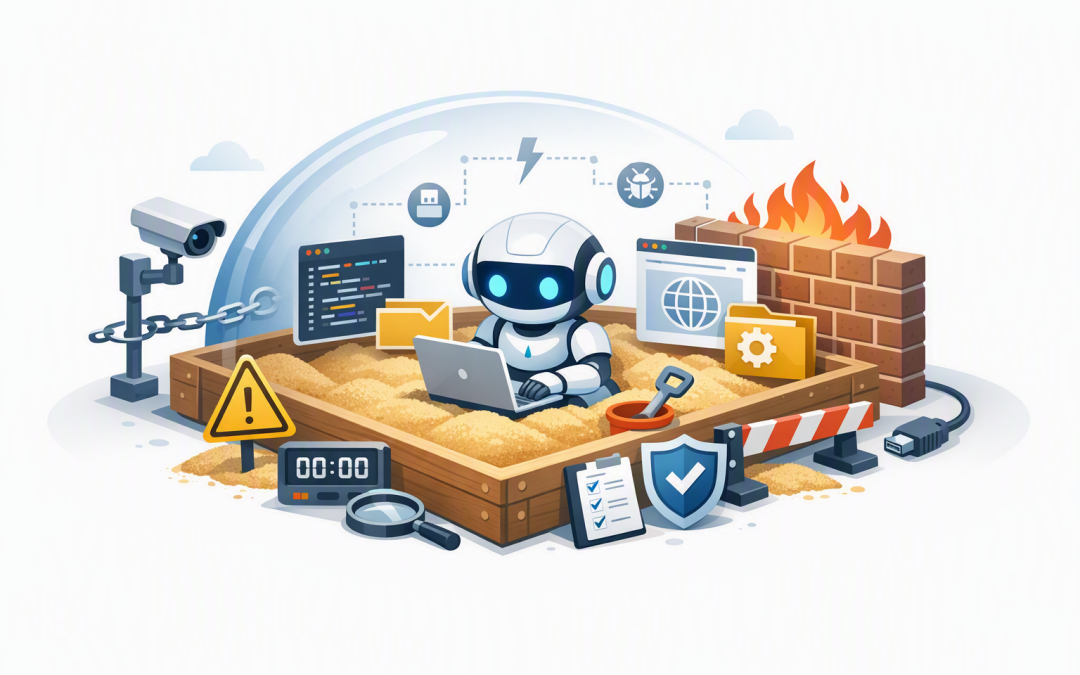
In this blog post When Your Business AI Agent Needs a Secure Sandbox to Operate Safely we will explain when isolation becomes essential, how the technology works and what practical controls Australian businesses should put around it. Your AI pilot may begin as a...
by CPI Staff | Aug 3, 2026 | AI Agents, AI Governance & Risk Management, Blog, RAG
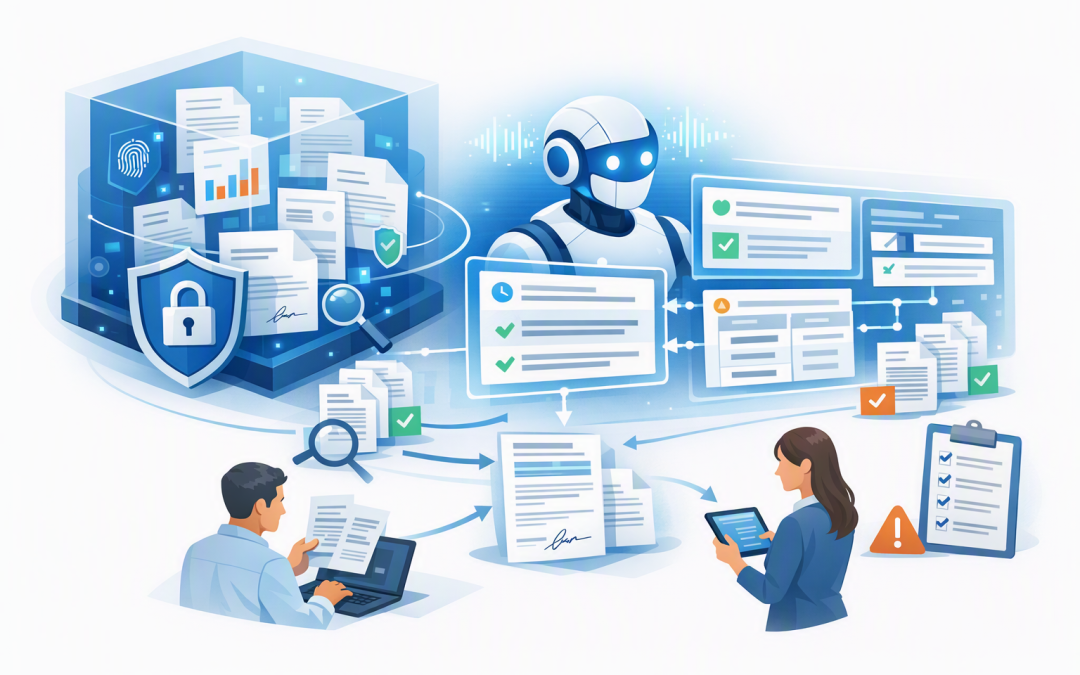
In this blog post How AI Agents Make Business Data Rooms Faster Safer and Smarter we will explain how businesses can use AI to review sensitive documents, answer complex questions and coordinate follow-up work without weakening security. Most business data rooms are...
by CPI Staff | Aug 3, 2026 | AI Agents, AI Governance & Risk Management, Azure Monitor, Blog
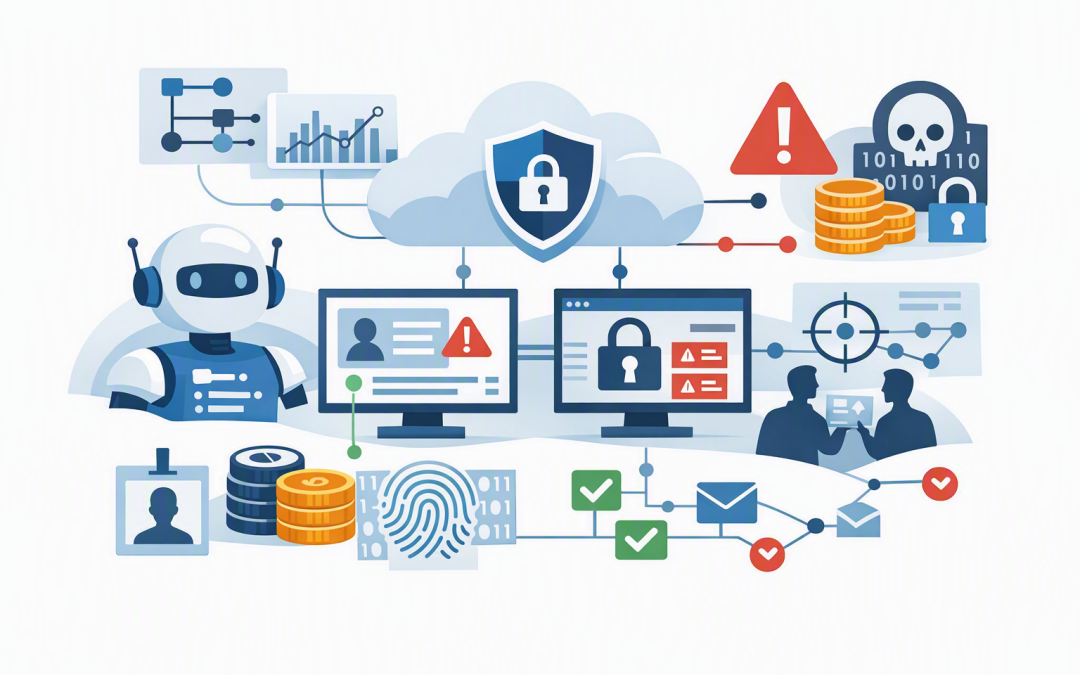
In this blog post Monitoring AI Agent Activity with Sentinel and OpenTelemetry we will show how to spot risky actions, control unexpected costs and understand what your AI agents are doing before a small problem becomes a serious incident. Many businesses can tell you...
by CPI Staff | Aug 3, 2026 | AI Agents, Azure, Blog, Microsoft Agent Framework
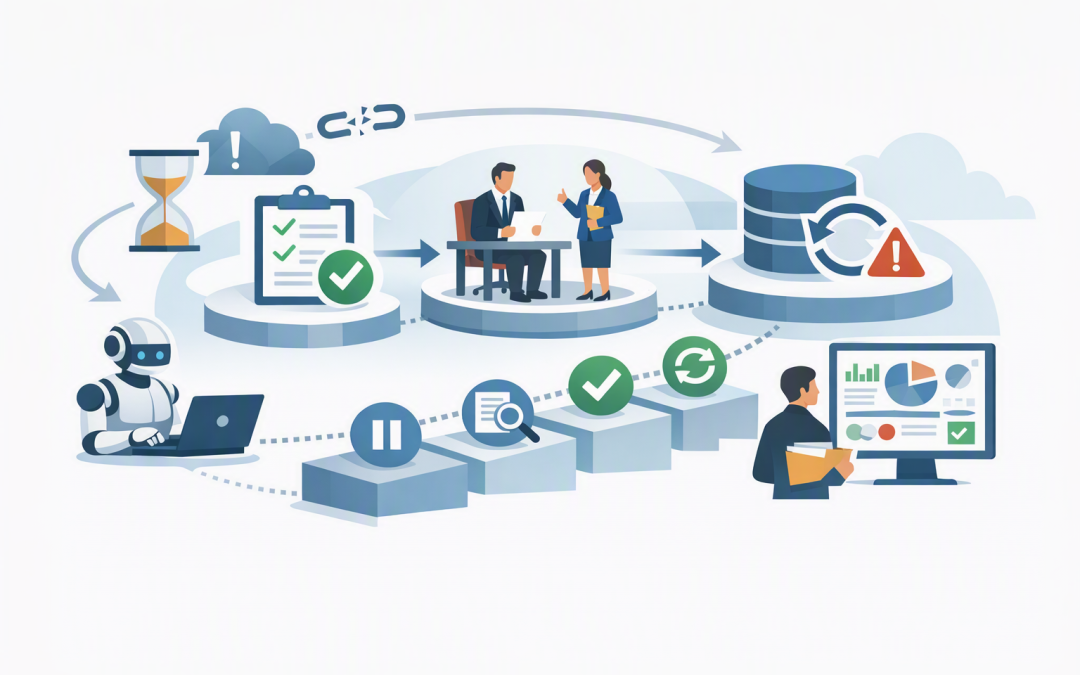
In this blog post How Resilient Tasks Make Long-Running Business AI More Reliable we will explain why an AI process that works perfectly in a demonstration can still fail when it meets real business conditions. A supplier does not respond. A manager takes two days to...
by CPI Staff | Aug 2, 2026 | AI Agents, AI for Business & AI Strategy, AI Governance & Risk Management, Blog
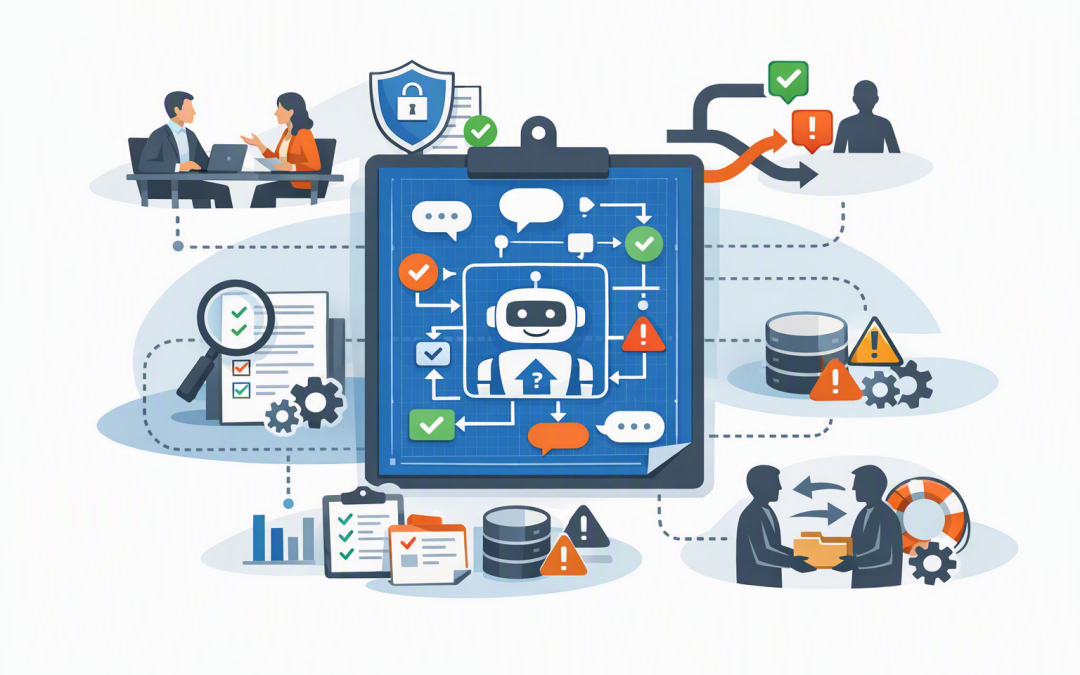
In this blog post Why AI Agents Need a Conversation Strategy Before Development we will explain why designing the conversation before writing code can reduce project costs, control risk and produce an AI agent employees or customers will actually use. Many AI projects...