by CPI Staff | Sep 2, 2026 | AI Agents, Azure, Blog, OpenAI
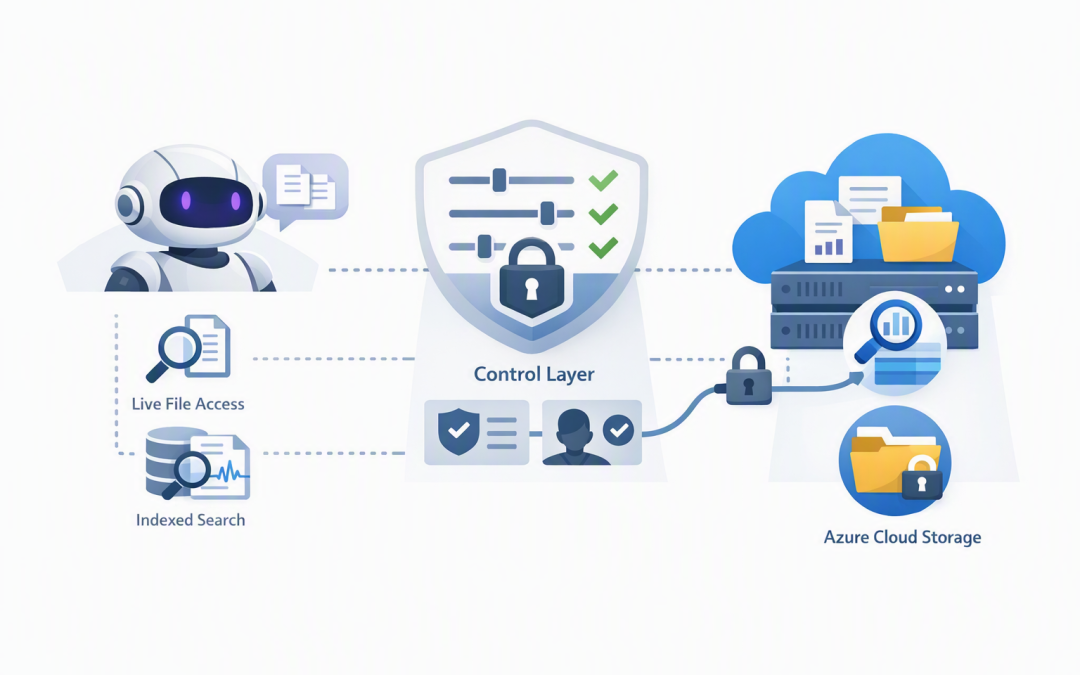
In this blog post Connecting OpenAI Agents to Azure Blob Storage and Cloud Data we will explain how to give an AI agent useful access to company information without handing it the keys to every file your business owns. Many organisations already store policies,...
by CPI Staff | Aug 26, 2026 | AI Agents, Blog, Microsoft Agent Framework, OpenAI
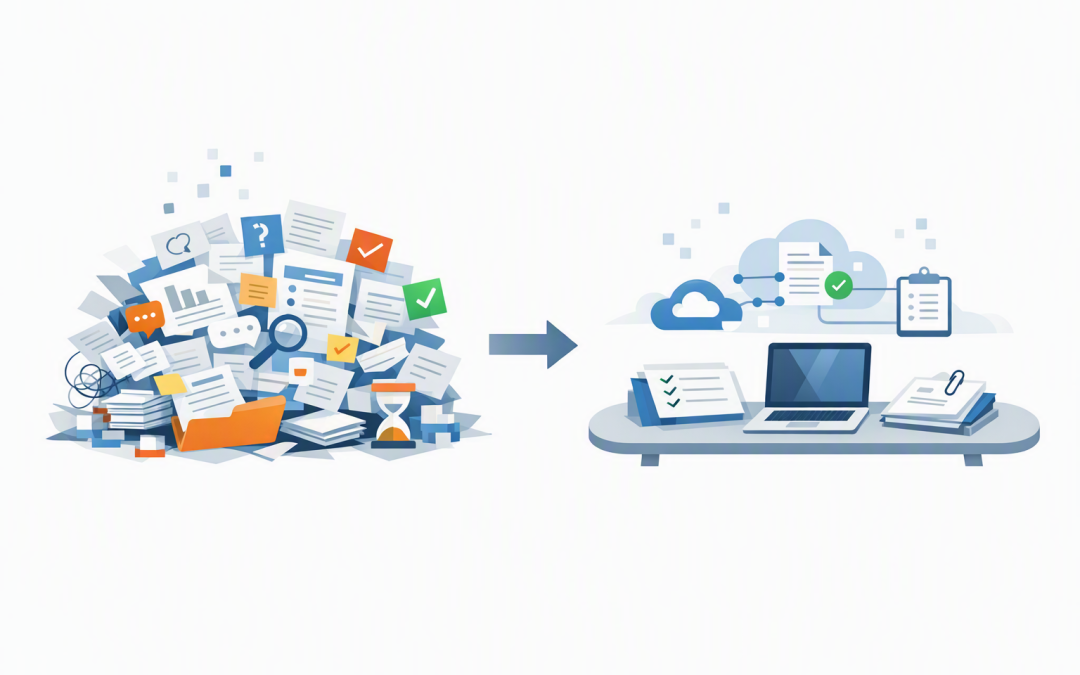
In this blog post How Compaction Keeps Long-Running AI Agent Workflows on Track we will explain how compaction helps business AI continue complex work without becoming slower, more expensive or increasingly confused as its history grows. This matters because an AI...
by CPI Staff | Aug 25, 2026 | AI for Business & AI Strategy, Blog, Cloud Cost & FinOps, OpenAI
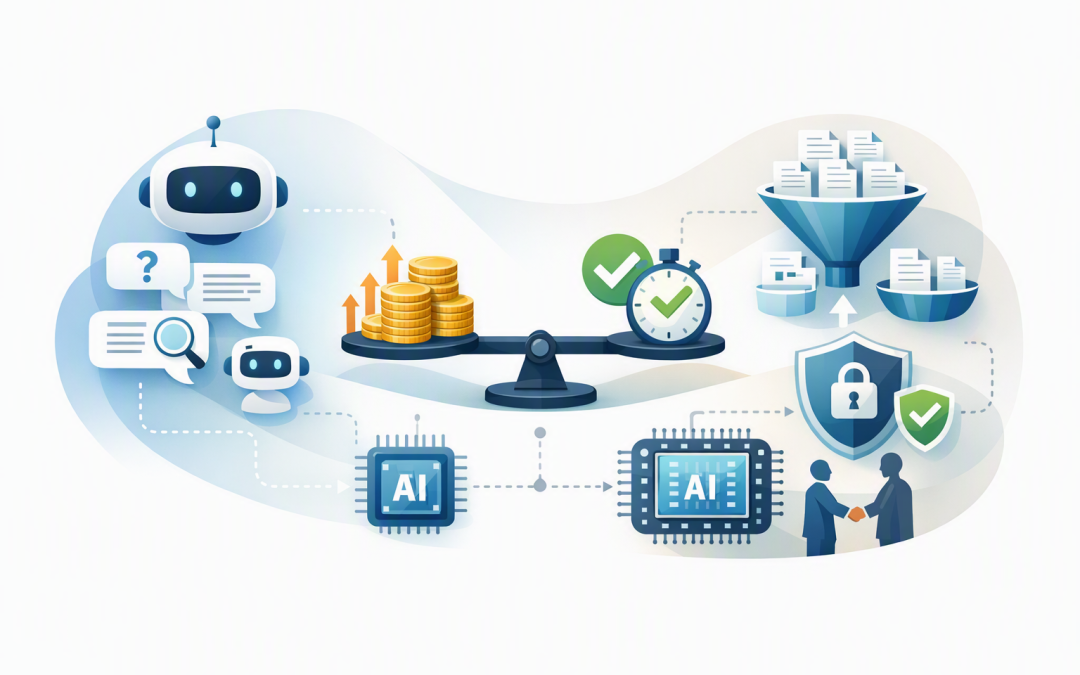
In this blog post How Better Conversation Design Reduces OpenAI Solution Costs we will explain why an AI assistant that talks too much, remembers too much or misunderstands users can become surprisingly expensive. At a high level, conversation design is the planning...
by CPI Staff | Aug 20, 2026 | AI Agents, AI for Business & AI Strategy, Blog, OpenAI
In this blog post How to Choose the Right OpenAI Conversation Strategy for Business we will explain how to match AI conversations to the outcome, risk and budget of your organisation. Many businesses start by asking which OpenAI model they should use, when the more...
by CPI Staff | Aug 20, 2026 | AI Agents, AI Governance & Risk Management, Blog, OpenAI
In this blog post Choosing the Right Memory Strategy for a Reliable OpenAI Agent we will explain how to give an AI agent enough context to be useful without letting it remember everything. If employees must repeat the same information in every conversation, the agent...
by CPI Staff | Aug 19, 2026 | AI for Business & AI Strategy, AI Governance & Risk Management, Blog, OpenAI
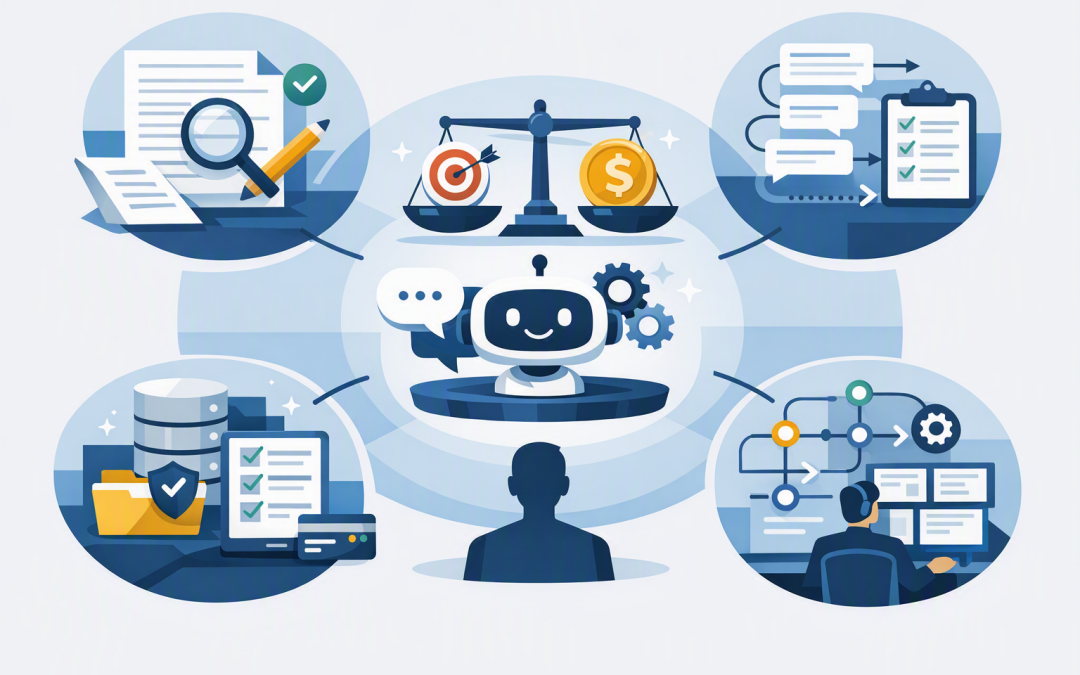
In this blog post How CloudProInc Designs OpenAI Conversations for Business Results we will explain how we turn an OpenAI conversation into a practical business tool that saves time, reduces risk and helps employees complete work more consistently. Many organisations...